|
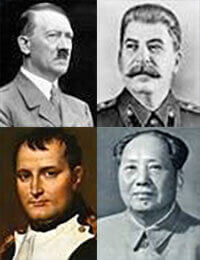
I Kill, therefore I Am At the core of the discipline of "history" is the production of a record of the number of people killed in a particular episode of war or genocide. The greater the number of people killed, the more "significant" the historical event. Terrorist philosopher Abdullah Azzam understood the dynamic. History, he said, does not write its lines "except in blood." Historical glory rests upon "counting skulls." |
||
Saddam Hussein called history a “record of sacrifices made in blood.” History, he said, is elevated to the status of belief when “sacred blood is shed in the most crucial situations.” According to Islamic revolutionary Abdullah Azzam, history “does not write its lines except with blood.” Glory does not build its lofty edifice “except with skulls.” Honor and respect are established on a foundation of “cripples and corpses.” “History” records the acts of political leaders who have killed a lot of people. Historical “significance” is measured by “counting skulls.” |