|
|||
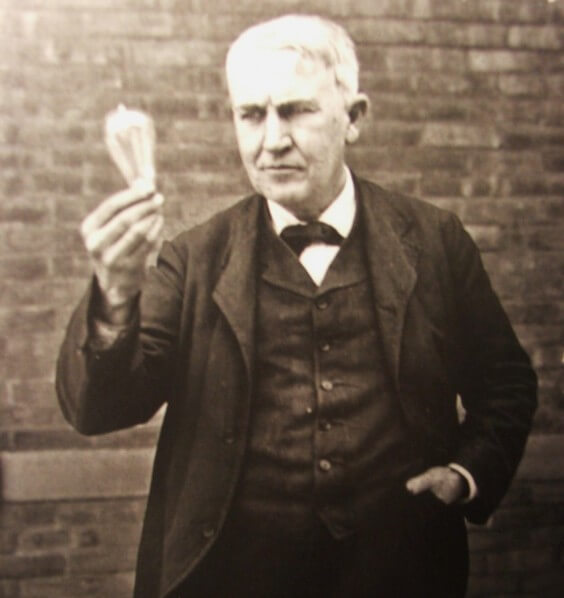
When people examine cultural forms such as airplanes and lightbulbs, it is not difficult to acknowledge that human beings are the source: to say that these inventions represent a response to our desires and fantasies; that they exist to the extent that they fulfill human needs. It is more difficult to say that cultural inventions such as war exist because they provide physical and psychological gratification. We shy away from the idea that warfare represent the fulfillment of human desires and fantasies. We prefer to imagine that war comes from a place outside the self; that it is generated by "cultural and historical forces," independent of human agency. I theorize that war—light-bulbs and airplanes—exists because it represents the fulfillment of psychological needs. Why does war exist? Why has this idea or institution been perpetuated as an element of culture? Contemporary theory tends to disconnect the outer world of language, discourse and ideology from the inner world of need, desire, anxiety and fantasy. A psychological approach to the interpretation of culture and ideology seeks to enable us to retrieve our projections. One begins with the assumption that we are the source. Recent social theory focuses on the idea that the source of mind, thought, motivation and action lies in ideological structures external to the self. Indeed, the mind—according to some current theories—is nothing more or less than the "discourses that push and pull us." The self, from this perspective, comes into being—derives its shape and form—as it encounters and internalizes the ideological structures of society. However, the question remains: Who has created societal discourses and why do they exist? Why have particular ideas been "selected out" (from among the multitude of ideas that people put forth) to become elements of culture? Why are specific beliefs embraced and perpetuated, and not others? Why do certain ideologies evoke such passion? To answer these questions, it is necessary to articulate the meaning of culturally constituted ideas: to delineate the psychic work that these ideas perform for the people who embrace them. |