|
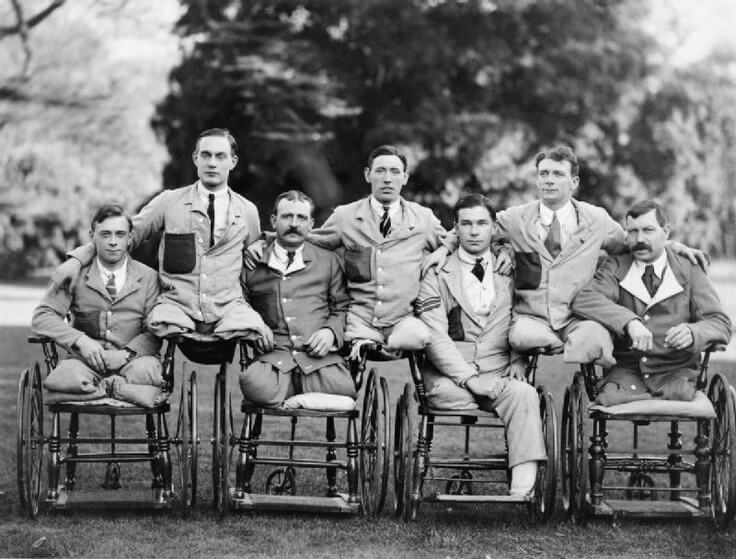
Franco Fornari hypothesizes (1974) that war represents “voluntary destruction of previously accumulated reserves of human capital;” an activity performed with the intention to “sacrifice a certain number of lives.”
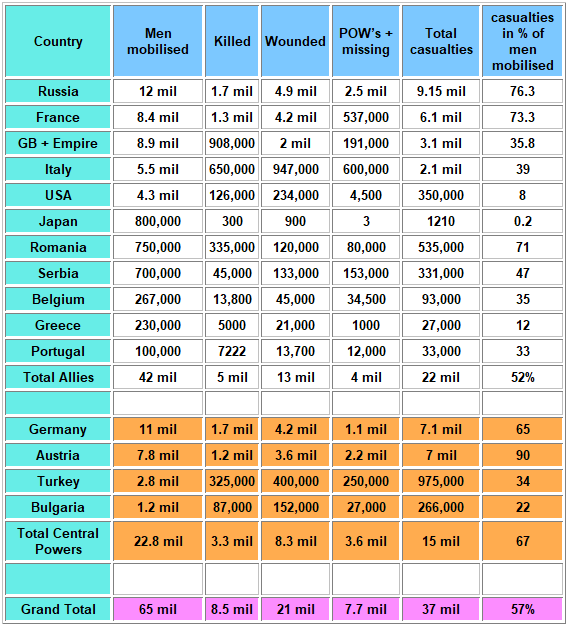
Over 410,000 British men were killed in 1916 at the Somme--but battle lines did not change. Some were critical of General Douglas Haig’s profligacy with human life. But many shared the opinion expressed in the following letter written to Haig, which the General preserved:
- Illustrious General, The expectation of mankind is upon you—the ‘Hungry Haig’ as we call you here at home. You shall report 500,000 casualties, but the Soul of the empire will afford them. Drive on, Illustrious General!” (In De Groot, 1988, p. 255)
The hungry General consumed 500,000 men--feeding the soul of Great Britain. The populace did not object. He kept his position as Britain's military leader.
The First World War was an extraordinary form of potlatch: "ostentatious destruction"--throwing away men and materials in the name of building the prestige of Great Britain.
|