|
When I use terms like delusion, shared fantasy, psychosis, etc. I'm not suggesting that governmental and institutional structures, war, etc. do not exist; are not real. I recognize the materiality of these things: their actuality in human society and experience.
What I suggest is that we cease taking these "real" structures for granted; that we interrogate them.
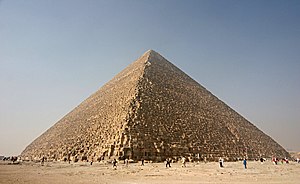 The pyramids of Egypt are an example of the paradigm: They are gigantic material structures; they are real. The pyramids were not a delusion. The Egyptians built them and everyone saw them...for a long time.
When I speak of delusion and shared fantasy, I'm writing about the motivations that give rise to and support material structures and institutions.
The pyramids were built as tombs for the Pharaohs; to ensure his immortality. The populace helped build the pyramids to sustain the idea of the never-ending existence of the Pharaoh.
But where is the Pharaoh now? Nowhere. Evaporated. Living on only in Steve Martin's song: ("King Tut, how'd you get so funky, King Tut, can you do the monkey").
The pyramids were built based on a gigantic delusion or fantasy. All that energy and effort, wealth, devoted to building gigantic material objects in support of a delusion or fantasy.
Full of sound and fury, signifying nothing. Gigantic material objects for the sake of supporting a delusion. The dialectic between profound forms of "reality," on the one hand, and the illusions or delusions that were the source of these realities.
Being and nothingness.
Richard Koenigsberg
_____________________________________________________________________
PBS: Pyramid: David Macaulay: The Pharaoh Khufu giving instructions to his Scribe: “You will build me the greatest pyramid of all. So that no one who sees it can doubt the power and the glory of the King of Egypt. From now until the end of time.”
|
