|
||
|
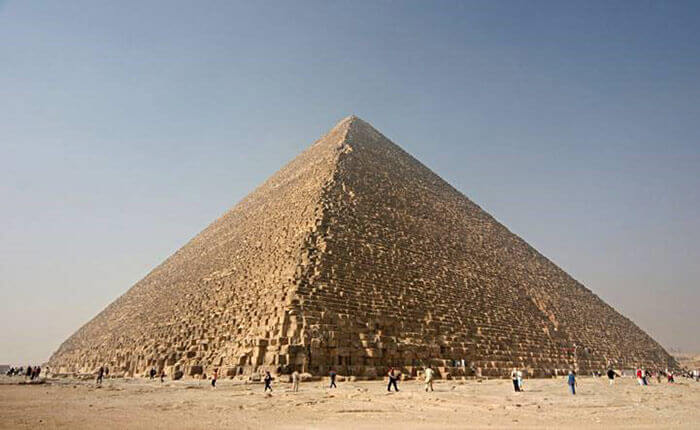
Western Civilization begins with the creation of massive, monumental structures requiring the expenditure of vast resources—in the name of a project with no practical purpose. Devoted to the proposition that the King would live eternally in his second life, the pyramids had no biological or evolutionary significance. Human beings become human precisely when they flee from their animal nature, reaching for the stars, building monumental structures pretending they are more than animals. The essence of the human being is pretending we are an animal unlike other animals--one that does not die. This fantasy drives "history." |
||
|