|
The mind has a great ability to creatively overcome loss.
As a person goes through the pain of mourning the mind releases one’s finest creative juices.
I doubt there is a single loss, no matter how devastating, that cannot be coped with and overcome. One of the finest things I have learned as a psychologist is that out of loss, the mind can create victory.
I gave a talk to a stroke victims group at Winthrop University Hospital and every member of this group has somehow taken that long journey out of the darkness into the light.
The great psychiatrist, Elisabeth Kübler-Ross wrote the classic book, On Death and Dying. Her research on terminally ill patients revealed to us that most patients go through five stages of dying, which include denial, anger, bargaining, depression and acceptance. A difficult journey that we all must go through.
In the world of sports, I notice that on occasion you will see great victories that come shortly after the death of a loved one. The most notable may be when Buster Douglas, a relative unknown, defeated Mike Tyson in Japan when Iron Mike was at the height of his career.
The fight marked the beginning of the end for poor Mike, but the interesting part of the story was that Buster Douglas had suffered the loss of his father a few weeks before the fight.
In golf, the sport I know the best, there are many stories of loss followed by victory. When Phil Mickelson finally broke through and won a major, he won the Masters by staying zoned in making a pressure-filled birdie on 18. Just a few weeks earlier he had lost someone very dear to him.
Ben Crenshaw won the 1995 Masters. Did you know that he flew to the event straight from the funeral of his beloved teacher Harvey Pennick? In the world of speed skating, Dan Jansen finally won gold following the death of his sister.
And I am sure you have your own personal stories of loss and victory. My question is why does this happen?
We find a hint of an answer in the writings of Melanie Klein, a British psychoanalyst. She suggested that in acute mourning, suffering can become productive. Painful experiences can bring about new gifts. She refers to artists as people who often use their medium to overcome loss. Why not with athletes as well?
A great victory is a way of achieving some form of immortality, which seems related to the losses these athletes just experienced. And of course the inverse holds as well. If one does not overcome their depressive anxiety, this will serve as a block to any future creative or athletic expression.
This may be why Mike Tyson has failed so badly in his life. When he lost his father figure, Cus D’Amato, early in his career he was never the same again. His manic depression is another way of saying he never overcame his initial loss.
The mind has a great ability to creatively overcome loss. As a person goes through the pain of mourning, the mind releases one’s finest creative juices. Freud himself wrote his most important book, The Interpretation of Dreams, the year after his father passed away.
I do not know why so many athletes seem to achieve their greatest victory following a mourning process. A patient of mine recently said, maybe it gives you a more mature perspective on your sport. You finally see it’s only a game, and in the scheme of things, it’s not all that important. Maybe he’s right.
What I do know is that life is filled with plenty of loss and suffering. The older you get, the more you become aware of that cruel fact. And if you have enough support you will manage the mourning process. And when you come out the other side, you will be stronger, wiser and a better competitor.
However, if you do not have the support and you cannot manage the mourning process, you will suffer from inhibition, anxiety and depression. You will find that any loss you face in the future will feel overwhelming and too much to bare. This will lead you to avoid all efforts to create or to grow. You will become a procrastinator. You will be frustrated.
So if you have faced loss and are the better for it, congratulations. You are the victor. But if you are one of those who have been afraid to cry and seem inhibited, anxious and sensitive to loss, it’s time to get some help.
The human spirit is strong and always looking to grow. Isn’t it time you released it from its cage?
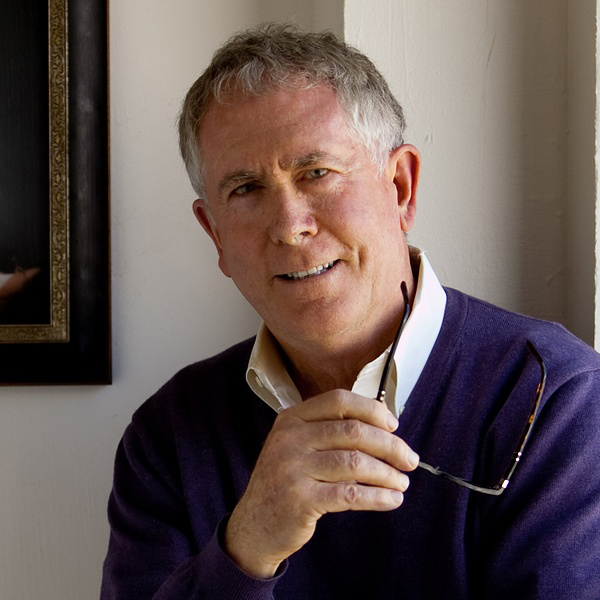
Dr. Tom Ferarro is a noted psychologist with more than 20 years experience working with professional and amateur athletes in the fields of golf, baseball, lacrosse, figure skating, judo, boxing and horse racing.
To reach Dr. Ferraro, email him at
drtferraro@aol.com
|